Source double sided household glass squeegee for Windows, Cars, Floors
Explore 30 listings for the double sided household glass squeegee designed for windows, cars, and floors. Buyers can compare features like eco-friendly materials, plastic or stainless steel handles, and customization options from suppliers in China.
Key considerations
Products List
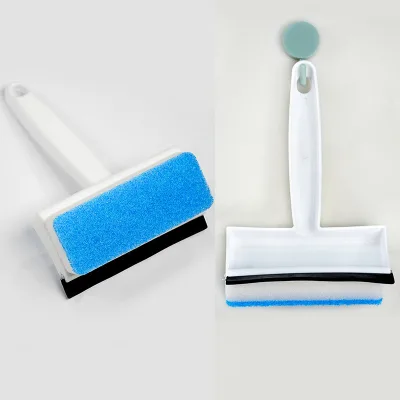





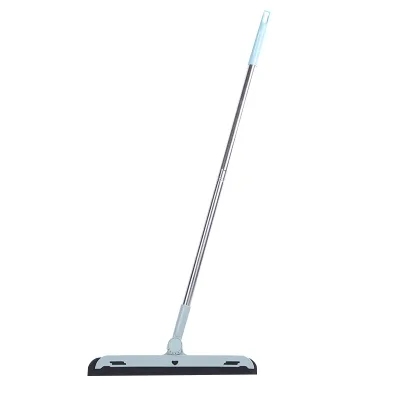

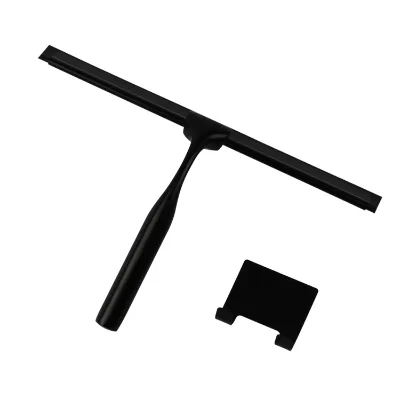


Comprehensive Sourcing Guide
Strategic Sourcing Guide for Double-Sided Household Glass Squeegees
The global market for household cleaning equipment has seen a steady evolution, with a particular emphasis on tools that maximize efficiency while minimizing environmental impact. For procurement professionals and business buyers seeking a double-sided household glass squeegee, the sourcing landscape is defined by a mix of functional versatility, material durability, and supply chain logistics. This guide synthesizes available product attributes and industry standards to provide a disciplined framework for evaluating potential suppliers and products. The focus remains on evidence-based criteria, ensuring that procurement decisions are grounded in observable specifications rather than unverified marketing claims.
Technical Specifications and Functional Attributes
When evaluating a double-sided household glass squeegee, the primary technical focus must be on the construction of the handle and the blade mechanism. The core functionality relies on the ability to clean glass surfaces effectively without leaving streaks or residue. Based on observed product data, the handle material is a critical differentiator. Common variations include PP (Polypropylene) plastic handles and stainless steel options. PP plastic handles are frequently cited for their lightweight nature and resistance to corrosion, making them suitable for general household use. In contrast, stainless steel handles offer enhanced structural integrity and a polished finishing process, which may appeal to buyers seeking premium durability.
The functional design often incorporates a "double use" capability, allowing the tool to serve multiple cleaning purposes beyond just windows. Observed specifications indicate that these units can be utilized for car windows, general glass surfaces, and even floors. This versatility is often supported by specific blade configurations, though the exact rubber compound specifications are not universally standardized in the provided data. Buyers should verify the blade's flexibility and edge sharpness, as these directly impact the cleaning efficiency. The product description frequently mentions "convenient" and "easily cleaned" features, suggesting that the design minimizes user effort and facilitates maintenance.
Furthermore, the physical dimensions of the single package are a vital logistical consideration. Standardized packaging sizes observed in the market include dimensions around 14x12x4.5 cm, with a single gross weight of approximately 0.2 kg. These compact dimensions are advantageous for shipping and storage, particularly when ordering in bulk. The style of operation is consistently manual, requiring no external power source, which simplifies the manufacturing process and reduces the risk of mechanical failure. The availability of multiple colors, ranging from five distinct options to multicolor configurations, allows for brand customization and aesthetic differentiation in the final product line.
Material Composition and Durability Standards
The longevity of a glass squeegee is intrinsically linked to the materials used in its construction. The handle material is the first point of inspection. While PP plastic is a standard offering, it must be evaluated for its resistance to cracking under stress and its ability to maintain grip in wet conditions. Stainless steel handles, often finished with a polishing process, provide a robust alternative that resists bending and corrosion. However, the transition between the handle and the blade assembly must be secure to prevent detachment during vigorous use.
The blade itself, while not explicitly detailed in terms of rubber hardness in the provided text, is implied to be durable and waterproof. The "Waterproof" attribute listed in the product features suggests that the internal components and the blade assembly are designed to withstand prolonged exposure to water without degrading. This is a crucial quality indicator for household cleaning tools, as water ingress can lead to mold growth or handle degradation over time. Buyers should request material safety data sheets (MSDS) or specific material composition reports to confirm the grade of plastic or steel used, ensuring it meets food-grade or non-toxic standards if the product is intended for general household environments.
Additionally, the "Eco-Friendly" attribute observed in the product listings indicates a growing trend toward sustainable manufacturing. This may involve the use of recyclable materials for the handle or packaging. However, the term "Eco-Friendly" is a broad claim that requires verification. Procurement teams should ask suppliers to specify what makes the product eco-friendly, such as the use of recycled PP or biodegradable packaging components, rather than accepting the label at face value. The packaging itself, often described as "custom" or "in Carton," plays a role in the product's environmental footprint. Standard packing configurations like 60 pieces per carton or 24 pieces per carton are common, and the choice of packaging material can significantly impact the overall carbon footprint of the shipment.
Compliance, Certification, and Safety Verification
In the realm of B2B procurement, compliance is non-negotiable. While the provided data does not list specific certification numbers, buyers must verify that the product adheres to relevant safety and quality standards for the target market. For household cleaning tools, this often involves compliance with chemical safety regulations regarding the materials used in the handle and blade. If the product is marketed as "Eco-Friendly," suppliers should be able to provide documentation supporting this claim, such as third-party testing results or adherence to specific environmental standards.
The "Customized" nature of the product standard suggests that suppliers may offer tailored compliance solutions. Buyers should ensure that any customizations do not compromise the safety integrity of the product. For instance, if a specific color or finish is requested, it must not introduce hazardous substances. The "Polished" finishing process on stainless steel handles is a quality indicator, but it must be verified that the polishing compounds used are safe and do not leave residues that could contaminate cleaning surfaces.
Furthermore, the "Sample" availability is a critical step in the compliance verification process. The data indicates that samples are available, often with a lead time of 5-7 days. Buyers should utilize these samples to conduct their own internal testing for durability, safety, and performance. This practical verification is essential before committing to a large order. The "Free Sample" option, where freight is on the buyer's side, allows for cost-effective evaluation of the product's physical attributes without the risk of a full financial commitment.
Cost Drivers and Pricing Dynamics
Understanding the cost structure of a double-sided household glass squeegee is essential for budgeting and margin analysis. The observed price range in the market spans from $0.25 to $3.69 USD. This wide variance is driven by several factors, including the choice of handle material, the complexity of the design, and the level of customization. Products with stainless steel handles and polished finishes will naturally command a higher price point compared to those with standard PP plastic handles.
The Minimum Order Quantity (MOQ) is another significant cost driver. The data shows a range of MOQs from 1 to 5000 pieces, with specific instances of 500, 3000, and 5000 pieces. Higher MOQs often correlate with lower unit costs due to economies of scale in manufacturing and shipping. However, for buyers with smaller volume requirements, suppliers with lower MOQs are essential to manage inventory risk. The "Selling Units" are typically listed as single items, which simplifies the pricing structure for retail packaging.
Logistics costs also play a pivotal role in the final landed cost. The "Delivery Time" varies between 20-45 days and 30-50 days, depending on the supplier and the specific order volume. Longer lead times can impact cash flow and inventory planning, so buyers must factor this into their procurement strategy. The "Single package size" and "Single gross weight" are critical for calculating shipping costs, especially for air freight or LCL (Less than Container Load) shipments. Buyers should request detailed freight quotes based on the specific packaging dimensions to ensure accurate cost projections.
Supplier Evaluation and Geographic Considerations
The geographic origin of the product is a key factor in supplier evaluation. The data indicates that the primary place of origin is Zhejiang, China, with some listings also citing Guangdong, China. Both regions are known for their robust manufacturing capabilities in the plastics and metalworking sectors. Zhejiang is particularly noted for its expertise in producing household cleaning tools, while Guangdong offers strong capabilities in metal finishing and complex assembly.
When evaluating suppliers, buyers should look for those who demonstrate transparency in their production processes. The "Customization" and "Customized" attributes suggest that many suppliers are willing to adapt their products to meet specific buyer requirements. This flexibility is a positive indicator of a supplier's capability to handle bespoke orders. However, buyers must verify the supplier's capacity to maintain quality consistency across different batches. The "prod_standard" being "customized" implies that quality control processes may vary, making it essential to establish clear quality benchmarks before production begins.
The availability of samples is a strong indicator of a supplier's confidence in their product. The "Sample Time" of 5-7 days suggests a responsive supply chain. Buyers should assess the supplier's communication efficiency during the sample phase, as this often reflects their overall service quality. Additionally, the "prod_packing" details, such as "in Carton" or "out Carton," should be aligned with the buyer's distribution requirements. A supplier who can offer flexible packaging solutions, such as 60 pieces per carton or 24 pieces per carton, adds significant value to the procurement process.
Quality Control and Long-Term Procurement Strategy
Implementing a robust quality control (QC) strategy is vital for ensuring the long-term success of the product line. Given the "Waterproof" and "Durable" attributes, buyers should establish specific testing protocols to verify these claims. This may include immersion tests for water resistance, drop tests for handle durability, and abrasion tests for the blade edge. The "Easily Cleaned" feature should also be validated through repeated cleaning cycles to ensure the product does not degrade over time.
For long-term procurement, building a strategic relationship with the supplier is more beneficial than transactional buying. The "Customization" options allow for product differentiation, which can be a competitive advantage in the market. Buyers should work with suppliers to develop a roadmap for continuous improvement, focusing on material innovation and cost reduction. The "Lead Time" of 20-50 days requires careful inventory management to prevent stockouts. Establishing a safety stock level based on the average lead time and demand forecast is a prudent strategy.
Finally, the "Double Use" capability of the squeegee, covering windows, cars, and floors, offers opportunities for marketing expansion. Buyers should consider how the product can be positioned in different market segments. The "Multicolor" and "5 colors" options provide a platform for brand identity and seasonal variations. By maintaining a disciplined approach to quality control and supplier evaluation, buyers can ensure a steady supply of high-quality double-sided household glass squeegees that meet the evolving needs of the market.
Comparative Analysis of Product Variants
To assist in decision-making, the following table summarizes the key observed attributes of the available product variants. This comparison highlights the differences in materials, packaging, and order requirements, enabling buyers to select the most suitable option for their specific needs.
| Attribute | Variant A (Standard) | Variant B (Premium) | Variant C (Bulk) |
|---|---|---|---|
| Handle Material | PP Plastic | Stainless Steel | PP Plastic |
| Finishing | Standard | Polished | Standard |
| Usage | Window | Car, Window | Window, Floor |
| MOQ | 500 PCS | 3000 PCS | 5000 PCS |
| Packaging | Custom Carton | 1pc/Color Box | 60PCS/CTN |
| Delivery Time | 20-45 Days | 30-50 Days | 20-45 Days |
| Sample Time | 5-7 Days | 5-7 Days | 5-7 Days |
| Color Options | 5 Colors | Multicolor | Multicolor |
| Key Feature | Eco-Friendly | Durable, Waterproof | Convenient |
This table illustrates the trade-offs between cost, volume, and feature set. Buyers seeking a premium product with stainless steel handles may face higher MOQs and longer lead times, while those focusing on volume sales can leverage the lower MOQ options with standard plastic handles. The "Eco-Friendly" and "Waterproof" attributes are consistent across variants, suggesting a baseline quality standard that suppliers must meet. By carefully analyzing these dimensions, procurement teams can align their purchasing strategy with their business objectives, ensuring a balanced approach to cost, quality, and supply chain reliability.
FAQs
What handle materials are available for double sided household glass squeegee?
The product features PP plastic handles and stainless steel options. PP plastic offers lightweight corrosion resistance, while stainless steel provides enhanced durability with a polished finish for premium applications.
Can I order samples before placing a bulk order for this item?
Yes, samples are available with a lead time of 5 to 7 days. While free samples exist, the buyer must cover freight costs, allowing for practical verification of product quality before commitment.
Which minimum order quantities apply to double sided household glass squeegee?
MOQs range from 500 to 5000 pieces depending on the supplier configuration. Specific listings show thresholds of 500, 3000, and 5000 units, influencing unit pricing and inventory planning for buyers.
How long does delivery take for orders of this cleaning equipment?
Delivery times typically span 20 to 50 days based on order volume and supplier location. Buyers should account for these lead times in their inventory planning to avoid stockouts during peak seasons.
What customization options exist for the packaging and product standard?
Customization is available for packaging and product standards to meet specific buyer needs. Options include custom cartons, poly bags, and tailored product standards, allowing for brand differentiation and logistical efficiency.
Where are the manufacturers of this window cleaning tool located?
Manufacturers are primarily located in Zhejiang and Guangdong, China. These regions offer robust capabilities in plastic and metalworking, ensuring reliable supply chains for household cleaning equipment production.